
Cavernoma is not specifically found within a certain age group, however studies have shown that a cavernoma/s may make their self known between the ages of 30 – 40 (I was 34) and the brain malformation bleeds/hemorrhages into the brain and rarer in the the spine (1 in 400,000 will have a symptomatic cavernoma). Unfortunately children and young people are diagnosed too.

How do you cope and know what to expect if your child has a chronic illness?
Search the web and gather as much information as possible even if the condition is not familiar or rare. The good news is that people who have the condition or first hand experience are determined and passionate to raise awareness and help contribute to reaserch in finding a cure.
Depending on where you live you may find groups, charities, and organisations on social media both locally and internationally as there are established or newly formed cavernoma groups in many other countries. The groups provide a place to help you learn from other patients, families and friends who experience daily life with the condition.
Find a good neurology team and never be afraid to ask as many questions as possible for example.
What medication does my child need to take?
Where is the cavernomas exact location in the brain?
How big is the cavernoma?
Have you found more than one cavernoma in your child’s brain?
Will my child get better or worse?
Will we need to make any lifestyle changes?
Are there other services available that offer support?
What type of treatment/s are available?
Which specialist will I need to see to treat my child?
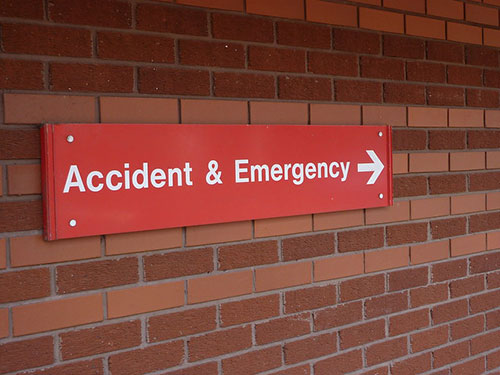
A chronic disease such as cavernoma can cause a medical emergency (even for adults), such as any noted symptoms becoming worse or a sudden onset of new symptoms. Familiarise yourself with seizures and strokes. It is vital in these circumstances that you get your child to A&E and soon as possible as cavernoma can cause fatalities. During your child’s care plan you could meet with different health professionals like:
- Neurosurgeons
- Neurologists
- Paediatricians
- Physiotherapists
And…. you the parent! Yes, you’re very important as any professional, because it is you who will provide and spend the most time with your child offering, support, comfort and love..
As you care for your child you will face a range of emotions, like confusion, fear, anger and denial. At times you will find it very stressful but all of these feelings along with others are completely acceptable.
There is no right or wrong as coping is a ongoing process and so is the understanding of cavernomas.
Try to take some time to look after yourself and rest when it is possible for you. You will want to be the strongest you can be to care for your child. The best way to look after your child is to let them know how much you love them and know how much they love you too.
You are doing a great job! Hang in there. You are not alone! ♥
I’m not a health care professional, but I had 2 cavernomas for the last 5 years. What I can offer is help and support and I can listen to your questions. I will try to answer your questions based from my own personal experience of cavernoma. One of my children also has a chronic illness xx
Just drop me a comment, send me a message or email me at awarenessnorth@outlook.com
 Brains Get Sick Too